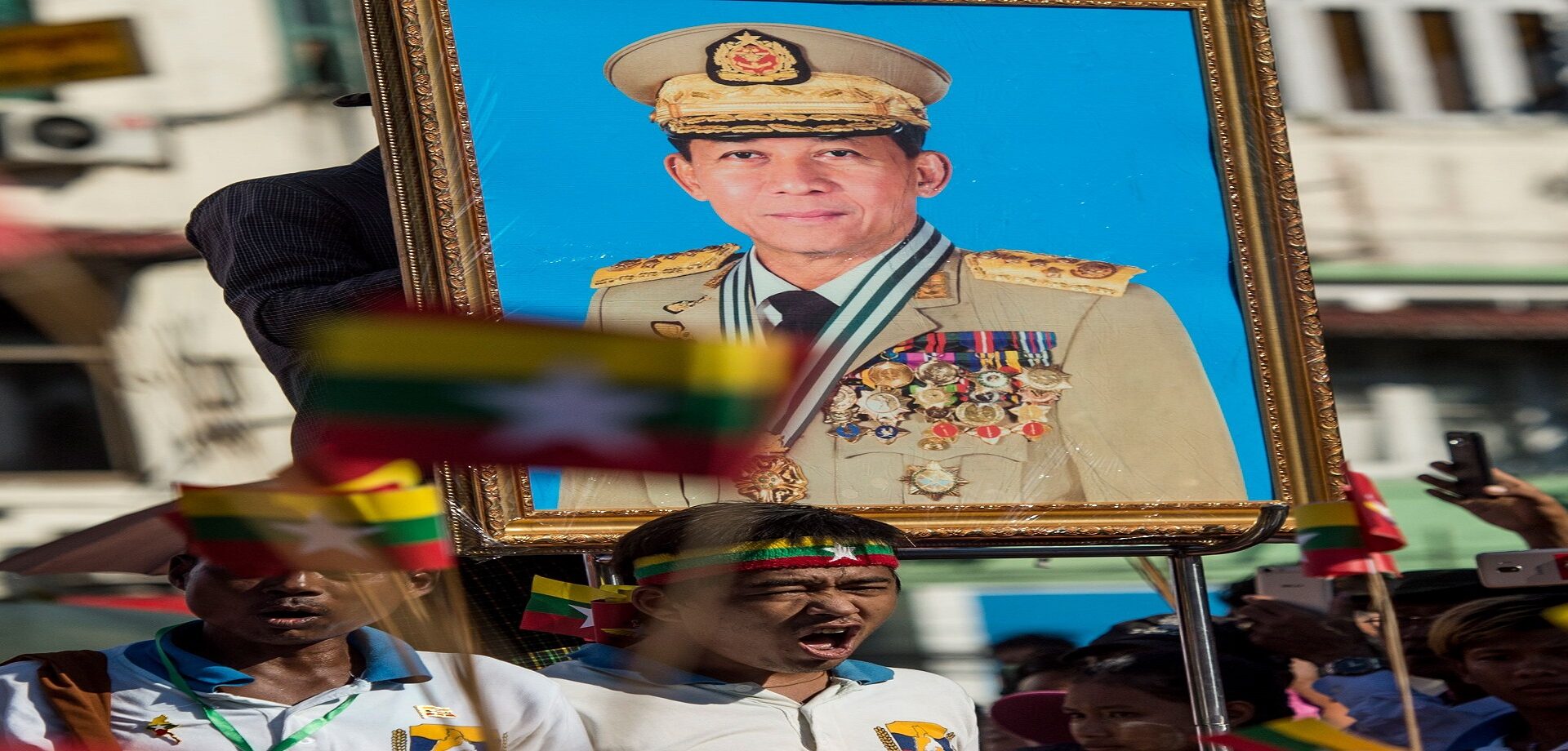
Militaries play dramatically different roles in different autocracies. At one extreme, the military remains the supreme political actor for generations. At the other extreme, militaries long remain subordinate to authoritarian leaders. We argue that the roots of this variation—from military supremacy to subordination—lie in military origins. Where authoritarian mass parties created militaries from scratch, the armed forces have generally remained subservient. Where militaries emerged separately from authoritarian parties, they enjoyed the autonomy necessary to achieve and maintain military supremacy. The core lesson is simple: Unless an autocratic regime created the military, it will struggle to control the military.
About the Authors
Dan Slater
Dan Slater is the James Orin Murfin Professor of Political Science and Director of the Center for Emerging Democracies at the University of Michigan.
Lucan Way is Distinguished Professor of Democracy at the University of Toronto. Collaborations with Steven Levitsky include “The Rise of Competitive Authoritarianism” (2002) and “The New Competitive Authoritarianism” (2020), both published in the Journal of Democracy, and Competitive Authoritarianism: Hybrid Regimes after the Cold War (2010).
The experience of “bandit capitalism” or “tyrant capitalism” in postcommunist societies shows that markets cannot work properly without a community of trust and mutual respect. Such a community can be…
Once hailed as liberators, Zimbabwe’s ruling party now clings to power through violent repression. How did the country’s founding father become its dictator, and what patterns in his party’s past…
Long prone to coups, Pakistan now for the first time has seen a freely elected government duly serve out its full term and peacefully hand the reins of power to…